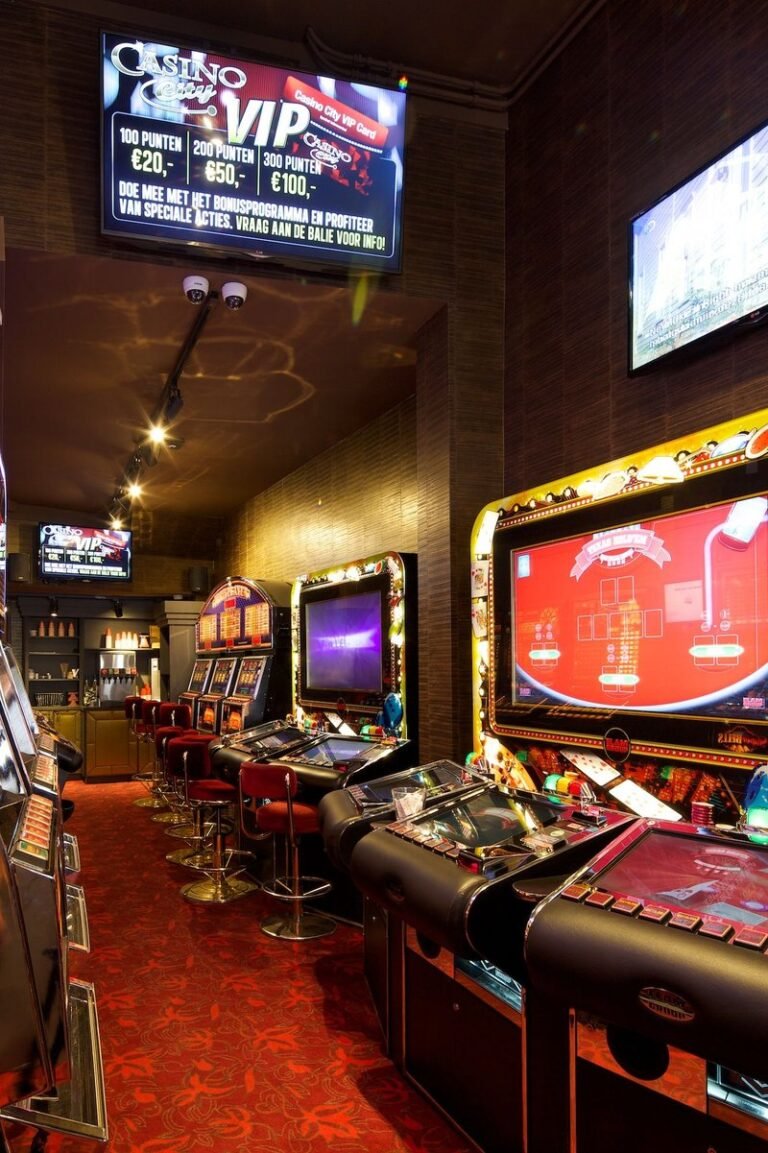
Last Thursday, I watched a group of friends at a local pub switch from a classic darts match to a multiplayer battle royale on their phones. Within ten minutes, the room buzzed with the same energy as a live concert. That scene is now the norm in many UK venues, where screens are as common as pint glasses.
Screen Time, Real-Time Revenue
The UK mobile gaming market hit £3.2 billion in 2023, a 12 % rise from 2022. This surge translates into more footfall for cafés, bars, and even museums that now offer free Wi‑Fi and gaming lounges. A survey of 1,200 UK gamers found that 67 % play at least one mobile title during a social outing, and 45 % report that a good game can turn a quiet evening into a lively event.
Changing the Soundscape of Social Spaces
In pubs, the traditional acoustic mix—talk, music, clink of glasses—has been augmented by the rhythmic chime of in‑app notifications. A recent study by the UK Audio Council noted a 22 % increase in ambient noise levels in venues that host gaming zones. While some patrons complain of distraction, many appreciate the novelty and the chance to bond over shared victories.
Gamification of Everyday Activities
Mobile apps are turning routine tasks into challenges. Fitness trackers now reward users with points that can be exchanged for discounts at local retailers. In the UK, 38 % of consumers have used a gamified loyalty program, and 29 % say it influences their choice of store. The result is a more engaged customer base that spends an average of £15 more per visit compared to non‑gamified settings.

Bridging the Gap Between Physical and Digital
As mobile gaming becomes a staple of social life, it naturally dovetails into other forms of entertainment. Whether it’s a trivia night app that feeds live leaderboards or a virtual escape room that teams up players across cities, the line between digital and physical fun is blurring. For those looking to explore this hybrid scene, the Website offers a curated list of venues that blend traditional hospitality with interactive gaming experiences.
Challenges and Considerations
Not all is seamless. The same 12 % market growth has led to a 4 % rise in reported screen‑related eye strain among adults aged 18‑35. Additionally, venues that invest in gaming infrastructure face higher upfront costs—an average of £2,500 for a basic setup—and ongoing maintenance. Smaller pubs may find the return on investment slower than expected, especially if they lack a tech‑savvy clientele.
What to Look For When Choosing a Mobile Gaming Spot
- Reliable Wi‑Fi: A minimum speed of 10 Mbps per device is recommended for smooth multiplayer sessions.
- Device Compatibility: Ensure the venue supports both iOS and Android to avoid exclusion.
- Content Policies: Look for clear guidelines on game selection to prevent accidental exposure to unsuitable material.
- Community Events: Regular tournaments or themed nights can boost repeat visits.
Bottom Line
Mobile gaming is no longer a niche pastime; it’s reshaping how UK audiences interact, spend, and socialize. By integrating digital play into everyday environments, venues can attract younger crowds and create new revenue streams. However, balancing technology with traditional hospitality, managing costs, and safeguarding user experience remain critical for long‑term success.
Frequently Asked Questions
How does mobile gaming increase venue footfall?
When guests play popular mobile games, the buzz attracts more patrons, turning casual visitors into regulars and boosting overall traffic.
What types of games are most effective in venues?
Fast‑paced, multiplayer battle royales or casual puzzle games that encourage social interaction tend to create the most lively atmosphere.
Do venues need special equipment for gaming?
Most venues only need Wi‑Fi, charging stations, and a few high‑quality screens; many already have the infrastructure in place.
Can mobile gaming impact revenue directly?
Yes—many games offer in‑app purchases and ads that can be monetized by venues, creating a new income stream alongside food and drink sales.